
Personal Umbrella Insurance in Missouri and Kansas: How Your Policies Fit Together
Compare liability layers across home, auto, rentals, and recreational policies, and learn which practical coverage gaps need a separate review before renewal.
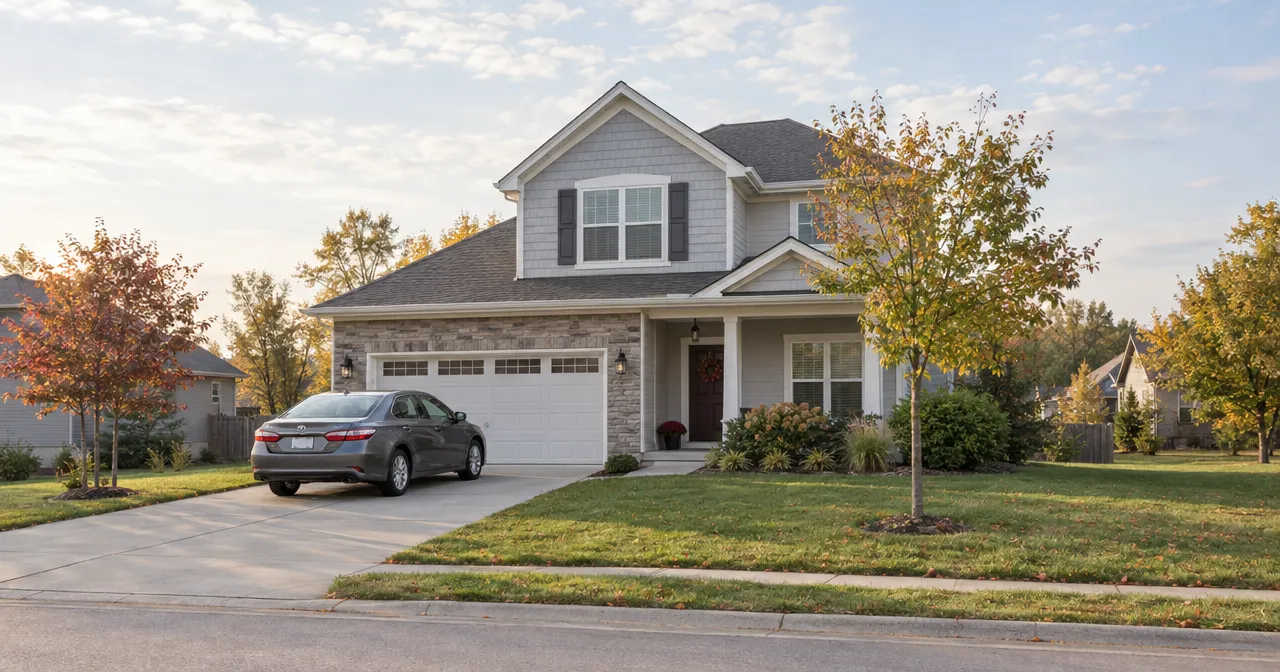
A Blue Springs household might have a homeowners policy, two cars, a teenager who recently started driving, and a boat used on summer weekends. Each policy may have liability coverage, but each has its own limits and rules. If someone is seriously injured and the household is legally responsible, one policy’s limit may not be enough. Personal umbrella insurance is designed to add a layer of liability protection above certain underlying policies—not replace them.
The word “umbrella” makes it sound as though every risk is covered. The better questions are: Which people, properties, vehicles, and activities are under it? What must the base policies cover first? Those answers matter for homeowners, renters, condo owners, landlords, and drivers throughout Missouri and Kansas. They also matter when a family’s circumstances change between renewals.
What the extra liability layer does
Homeowners insurance usually includes personal liability for covered injuries or damage to other people’s property; auto liability addresses covered harm you cause while driving. The NAIC’s homeowners insurance overview describes personal umbrella liability as protection for bodily injury, property damage, and certain personal injury losses to others beyond policy limits. The actual contract determines what is covered.
Consider a simplified example: your auto policy has a $500,000 applicable bodily-injury liability limit for an accident. A covered accident leads to $800,000 in covered liability damages. If the auto policy pays its applicable limit and the claim meets the umbrella’s terms, an umbrella may address the remaining $300,000, subject to its own limit. This is not a promise about how a real claim would be adjusted. Per-person and per-accident limits, defense expenses, exclusions, and policy definitions can change the result.
Some umbrella policies can also address a covered personal liability claim that a particular base policy does not cover. That feature varies and may involve a self-insured retention—an amount you pay before the umbrella responds. Ask for the actual form rather than assuming every umbrella is broader than the policies beneath it. Whether defense costs reduce the stated umbrella limit is another comparison point.
The central distinction is liability to others versus loss to your own property. A personal umbrella generally does not replace your roof after hail, repair your car after a collision, or restore a flooded basement. Those are separate property or first-party coverage questions. Travelers’ umbrella coverage explanation makes this distinction and discusses common business and intentional-act exclusions; its examples describe Travelers’ products, not every insurer’s policy.
Start with the policies underneath
Umbrellas normally require specified minimum liability limits on the underlying home, auto, and sometimes other policies. The required amount is not one universal Missouri or Kansas rule: it is set by the umbrella insurer and can differ by policy type. If an underlying limit is too low or a base policy lapses, you may have to absorb a gap before the umbrella can respond. Confirm the required limits, covered vehicles and locations, and permitted underlying insurers in the actual documents.
Make a one-page list of your liability policies. For each, record the named insured, location or vehicle, dates, liability limit, and insurer. Include a renters or condo policy instead of homeowners if that is how you insure your residence. Then compare the list with the umbrella declarations and any underlying-insurance schedule. A bundling discount may be helpful, but having policies with the same agency does not prove the umbrella automatically covers them all.
Review auto limits carefully. Kansas’ auto insurance guide distinguishes bodily-injury and property-damage liability from collision and comprehensive. Increasing collision coverage on your own car does not increase the liability layer available for an injured person in another car. Missouri drivers should likewise distinguish liability limits from coverage for their own vehicle. If your policy has separate per-person and per-accident limits, ask which amounts must satisfy the umbrella’s requirements.
Drivers, new cars, and teens
The household driver list matters as much as the vehicle list. When a teenager gets a license, a relative moves in, or you add a car, tell your agent and ask how both the auto and umbrella policies treat that person and vehicle. Missouri’s auto insurance FAQs note that a licensed household driver’s record can affect an insurer’s decision to cover the household. Do not assume a driver excluded by the auto policy will be covered by the umbrella.
If you buy a car on a Friday, do not wait until the annual review to ask about the umbrella. Check the auto policy’s new-vehicle notice rules and make sure the umbrella’s definitions and underlying schedule stay accurate. Keep the liability question separate from a lender’s comprehensive and collision requirements.
Match the umbrella to the way you live
Homeowner with visitors. If a guest is injured and holds you responsible, the home policy’s personal liability section may be the first layer. Missouri’s homeowners insurance FAQs describe that coverage as protection against qualifying non-auto, non-business claims for injury or damage to others. Ask about exclusions relevant to your household—such as an animal, pool, or other risk—and whether the umbrella covers the same exposure. A higher limit cannot fix a claim the umbrella itself excludes.
Renter or condo owner. You do not need a detached house to face a liability claim. The Kansas Department of Insurance’s home and renters guide explains that renters insurance includes liability but not dwelling coverage. Condo insurance involves a split between association and unit-owner responsibilities. Ask whose acts your policy insures, what happens in a shared area, and whether the proposed umbrella recognizes your renters or condo policy as an underlying layer. A landlord’s or association’s insurance is not a substitute for your own liability policy.
Landlord or short-term host. Renting out a house, duplex, or spare unit changes the premises exposure. Bring the address, ownership structure, occupancy, and rental arrangement to the review. Ask whether a landlord policy provides premises liability and whether your personal umbrella includes that rental location. A short-term rental or property held by an LLC may be treated differently from a long-term rental owned personally. Get the answer about the property and insured entity in writing.
Boat, RV, motorcycle, or classic car owner. Liability on the water or road may be handled by a specialty policy, not an ordinary home or auto policy. Ask whether the specific boat or vehicle type is eligible under the umbrella, whether the base policy meets the required limit, and whether other operators are properly covered. An RV used as a primary residence or a collector car used for business can raise different questions from a weekend vehicle. Coverage follows the contracts and disclosed use, not simply the fact that the household owns an umbrella.
Gaps an umbrella does not automatically close
A personal umbrella is a liability tool, not a shortcut around other decisions:
- Your property: Rebuilding cost, roof wind-and-hail settlement, water backup, flood, collision, and comprehensive remain separate coverage questions. Review those limits and endorsements on their own merits.
- Your injury or lost income: Liability for harm to others differs from health, disability, or life insurance that may protect your family’s finances. An umbrella does not replace those policies.
- Uninsured or underinsured motorists: An excess option may be available under some contracts but should not be inferred from a standard umbrella liability limit. Ask if it is included, optional, or excluded, then compare it with your auto coverage.
- Business and professional work: A contractor’s job-site injury allegation, a consultant’s professional error, or a restaurant’s customer claim calls for business coverage. A personal umbrella commonly excludes business-related liability, even when work begins at home. General liability, a business owners policy, commercial auto, and possibly a commercial umbrella may be relevant, depending on the operation.
- Intentional harm and contract promises: Policies commonly restrict intentional acts and may not assume liability created only by a contract. Do not assume an umbrella covers a promise to indemnify someone else; review the wording.
For an owner with both household and commercial activities, identify the dividing line. If a Blue Springs contractor uses a pickup for client visits or a Lee’s Summit retailer stores inventory in a home garage, ask which exposure belongs on the business side. The answer can change which underlying policy needs to respond first. A personal umbrella should not be treated as a backstop for undisclosed commercial use.
How to compare two proposals
Before comparing premiums, request the declarations, underlying-insurance requirements, and policy form for each proposal. Compare these terms side by side:
- Limit: What is the per-occurrence limit? Is there a separate aggregate for some claims? A “$1 million” label does not describe every provision.
- Base limits: What home, auto, rental-property, and specialty liability limits must stay in force? Include any required increase to the auto policy when comparing the total cost.
- People and entities: Are both spouses or partners named correctly? How are resident relatives and an LLC-owned property handled? Do not assume the umbrella insures an entity it does not name.
- Locations and vehicles: Does it recognize your second home, rental, boat, motorcycle, or RV? Ask for clarification in writing when an exposure is unusual.
- Exclusions and broader coverage: How does it treat business use, short-term rentals, watercraft, personal injury claims such as defamation, and uninsured/underinsured motorists?
- Defense and retention: Who controls the defense? Do legal expenses reduce the limit? Is a self-insured retention required for a claim the umbrella covers but the base policy does not?
Make the comparison concrete with a hypothetical question: “If I were held liable for an injury to a visitor at my Grain Valley rental house, which policy would respond first, and would this umbrella recognize that property?” If the answer depends on an endorsement or ownership arrangement, address it before relying on the coverage.
Review when life changes
Umbrella protection is easier to maintain when policy changes are discussed together. A new household driver, boat, condo, duplex, or business can change both the exposure and the required underlying insurance. Save updated declarations and compare effective dates after a change. A gap is not cured simply because all policies later appear on the same renewal list.
The useful review question is specific: Who could make a claim, which base policy might apply, what is its limit, and would the umbrella respond after it? If you cannot trace that path for an important exposure, have an agent walk through it with the forms. No article can determine whether a particular loss is covered; the facts, contract wording, and applicable limits control.
Greco Insurance Agency helps individuals and families in Blue Springs, Lee’s Summit, Grain Valley, Kansas City, and nearby Missouri and Kansas communities compare home, auto, specialty, and umbrella options. For a personalized review of household liability layers and possible gaps, request a personal insurance review with a local agent. If your question involves a business property or vehicle, request a business insurance quote; for other policy questions, contact Greco.