
Condo Insurance in Missouri and Kansas: Where the Master Policy Stops
Learn how to compare your condo association’s master policy with your own coverage, estimate what it would cost to rebuild your interior, and evaluate loss assessments.
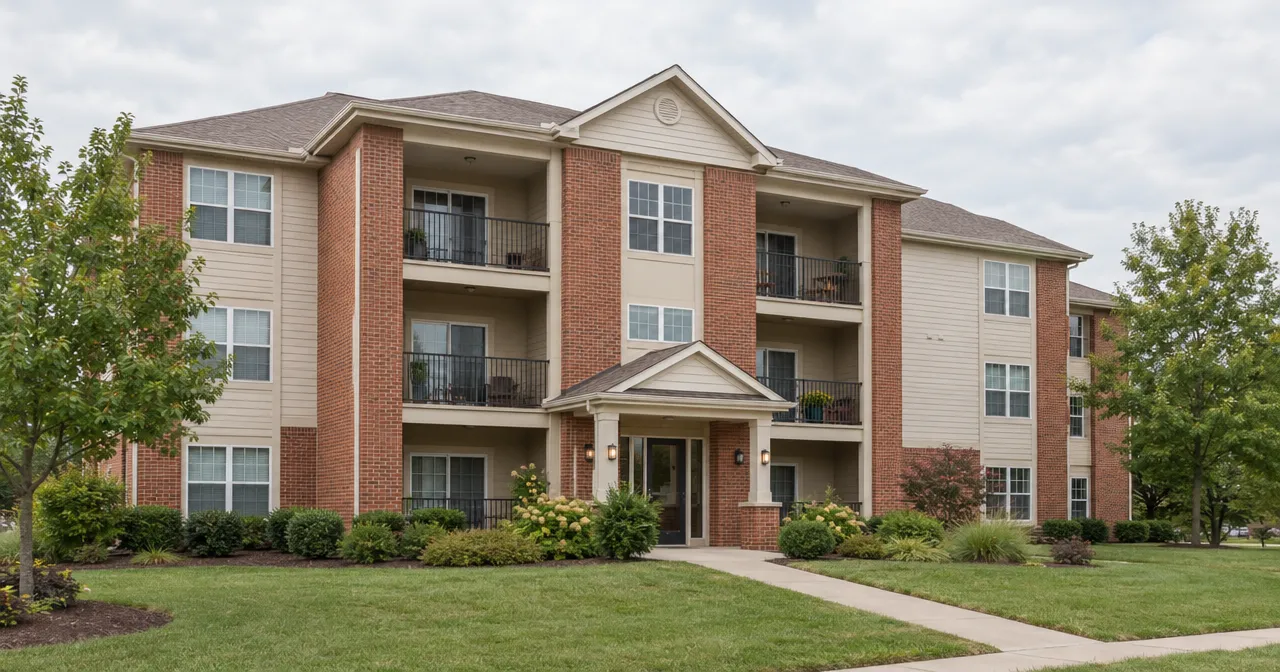
A condo buyer in Blue Springs gets a certificate showing that the association insures the building. But the certificate doesn't answer the question the buyer cares about most: if a fire damages the kitchen, who pays to replace the cabinets, countertops, and flooring? If the association also sends owners a bill for part of its deductible, that's a separate coverage question.
Whether you're buying a condo in Missouri or Kansas or reviewing a policy you already have, start with two documents: the association’s master policy and your own condo unit-owner policy, often called an HO-6. Read them alongside the association’s governing documents. That’s how you find out which parts of the home you need to insure, and which bills could still land with you after a loss.
Find out what the master policy actually insures
The association’s master property policy generally covers shared parts of the property, such as the building structure and common hallways, against specified causes of loss. How far it extends into the unit varies. Insurer guidance on condo master policies describes three common arrangements:
- Bare walls: The master policy mainly insures the shared structure. You may need to insure cabinets, flooring, fixtures, and other parts of the finished interior yourself. Ask explicitly about drywall: don't infer where the coverage stops from the label alone.
- Original specifications, sometimes called single entity: The master policy may cover original fixtures and finishes but not upgrades. If a previous owner replaced standard cabinets with custom ones, find out how the two policies would handle that difference. Upgrades can matter even if you didn't install them.
- All-in: The master policy may extend to some or all interior improvements. Check which upgrades are included and what exclusions or deductibles apply. Broader building coverage still doesn't replace insurance for your belongings or personal liability.
A roof, window, balcony, or pipe can be a poor guide to who insures it. A balcony used only by your unit, for example, might be identified in the declaration as a common element reserved for your use. Ask who maintains it, who repairs it after a loss, and which policy insures it. Those are different questions. Likewise, if you're buying an attached townhome in Lee’s Summit, don't choose an HO-6 based on the building’s appearance. Confirm the form of ownership and the association's insurance responsibilities first.
Ask for the documents behind the certificate
Request the current master policy declarations and the forms or endorsements that describe which parts of the unit the association insures. Ask for the association’s declaration and any amendments or written deductible allocation rules. The certificate helps identify the policy; the actual wording is what you need to compare. If a manager says the policy is “walls-in,” ask whether that includes drywall, flooring, built-in fixtures, and upgrades, and where the documents say so.
If you're financing the purchase, ask your lender what it requires before closing. For example, Fannie Mae’s August 2026 Selling Guide update specifies when individual property insurance is required for applicable loans, including when the master policy leaves parts of the interior uninsured or uses a per-unit deductible. Your lender can tell you what applies to your loan. Meeting its requirements doesn't answer how much coverage you need for your belongings, temporary housing, or personal liability.
Set the HO-6 limits using the parts you’re responsible for
Unit building coverage, often listed as Coverage A, is the part of the HO-6 to review for covered damage to the interior property you need to insure. Start with a room-by-room list based on the master policy and association documents: cabinets and counters, floors, drywall and paint, lighting, built-in appliances, and bathroom fixtures. Flag each item that’s yours to insure or still unclear. Ask your agent how the policy classifies items such as appliances, because the distinction between a fixture and personal property can matter.
Use the cost to restore the property you’re responsible for, not a percentage of the purchase price. A Kansas City condo’s sale price reflects the location and market as well as the unit itself. It doesn't tell you what a contractor would charge to replace flooring and cabinetry, get materials into the building, or dispose of damaged finishes. Recent renovation invoices and a local contractor’s estimate can be better starting points. For an older building, also ask how the policy treats extra costs if a covered rebuild must meet current code.
The rest of the review is just as important. Farmers’ overview of condo insurance describes the distinct roles of contents, liability, and loss-of-use coverage:
- Personal property: Inventory your furniture, clothing, electronics, and other belongings. Check whether the policy settles covered losses at replacement cost or actual cash value, which generally accounts for depreciation. The Missouri Department of Commerce and Insurance explains the distinction. Ask about replacement deadlines and limits for valuables rather than assuming the full contents limit is available for every item.
- Loss of use: Look at the dollar and time limits for additional living expenses after a covered loss makes the unit unlivable. Think about the extra cost of temporary housing near school or work, not just a few nights in a hotel. If the unit is intact but repairs to a common hallway prevent you from getting home, ask what wording would determine whether coverage applies.
- Personal liability: This can help with certain claims that you caused injury or damage to someone else’s property. If water from your unit damages a neighbor’s ceiling, the origin of the water doesn't by itself establish that you're legally responsible. Damage to your own flooring and a claim by the downstairs owner are separate questions.
Check the master deductible and loss assessment together
Your HO-6 deductible is the amount you’re responsible for under your own policy on a qualifying claim. The master deductible is separate. Ask how the association applies that deductible, and whether there are different amounts for wind and hail, water damage, or other causes. If the amount is a percentage, ask what value it’s calculated from and request the equivalent dollar amount for your building. Then ask how an expense could be allocated to your unit. Don't assume it would be divided evenly or that every charge to one owner is treated as a shared assessment by your insurer.
Loss assessment coverage may help pay your share of a qualifying charge from the association after certain losses to shared property or certain liability claims. It doesn't pay every bill labeled a special assessment. Progressive’s explanation of loss assessment coverage describes when a share of an association deductible may qualify. A bill to replace a worn-out roof as part of planned maintenance is different from a charge after a covered storm loss.
Suppose hail damages the roof of a 20-unit building near Grain Valley. The master policy has a $60,000 deductible for the loss, and, for this example, the association allocates it equally. Your share would be $3,000. Now suppose your HO-6 shows a $25,000 general loss assessment limit, but the endorsement caps eligible assessments for the master deductible at $1,000. Even if your charge qualifies, that lower cap could leave at least $2,000 of the assessment to you. The figures are hypothetical. The point is to read the master-deductible provision, not just the larger number on the quote.
Ask your agent to show you which causes of loss qualify, whether master-deductible charges are covered, and whether a separate cap or deductible applies. Ask what happens if the association bills one unit directly instead of assessing several owners. If you’ve changed insurers or are about to close, also ask which dates matter under the form: the date of damage, the date of assessment, or both.
Trace the source of water before deciding which policy to call on
If a supply line breaks above a condo in Overland Park, the association may need to inspect a shared wall or pipe, while the unit owner needs to document damaged flooring and belongings. Check the governing documents for repair responsibilities, notify the association and your insurer promptly, and keep photos and receipts. Don't wait for the association to finish investigating before contacting your own insurer. Ask the manager for any incident report or written explanation of how an assessment was calculated, and keep that with your claim records.
A sudden plumbing leak, a backed-up drain, and surface water entering the building are different coverage questions. Ask about a water backup endorsement rather than assuming it’s included. Our water backup and flood insurance guide explains how the source of water changes the review. For outside flooding, ask whether the association carries separate building flood insurance and what protection is available for your unit and belongings. FEMA’s condo flood insurance guidance explains how individual condo flood coverage differs from coverage for the exterior and shared areas. An association’s building flood policy is not a substitute for insuring your personal belongings.
What to bring to a condo insurance review
Whether you're comparing quotes before closing or reviewing an existing policy, gather four things:
- Master policy and association documents: Include the insurance and deductible provisions, plus any new terms the board has announced for renewal.
- A list of interior finishes and upgrades: Include work done by prior owners if you know about it. Save photos and any invoices or estimates you can get.
- Your HO-6 declarations and endorsements: Compare the unit building, contents, loss-of-use, liability, and loss assessment limits separately. Note any deductible-specific restrictions.
- Any change in use: If you’re moving out, leasing it to a tenant, or considering short-term guests, describe the change before it happens. Ask both what the association allows and what coverage fits the new use; don’t assume an owner-occupied policy still fits.
Review the two policies again when you remodel or the association renews. Even if nothing changes inside your unit, a higher master deductible or narrower interior coverage can change how much you’d have to pay yourself. If you’re comparing a condo and auto bundle, compare the condo limits, deductibles, and endorsements side by side before deciding whether the combined price is a good fit.
Greco Insurance Agency helps condo owners in Blue Springs and across the Missouri and Kansas sides of the Kansas City metro compare personal insurance options. For a personalized review, request a condo insurance quote and have your association documents handy. A local agent can explain where the policies meet, where gaps remain, and what suitable options are available.